The United Kingdom remains one of the most attractive global destinations for entrepreneurs and investors. With its robust legal framework, competitive tax rates, and ease of doing business, it is no surprise that thousands of non-residents seek to incorporate their businesses here annually. However, for a foreigner, the process of opening a UK Limited Company (LTD) involves specific legal requirements and administrative steps that must be followed meticulously. This guide provides a detailed roadmap for international entrepreneurs looking to establish a corporate presence in the UK.
Understanding the UK Limited Company Structure
A Private Limited Company (LTD) is the most common legal entity for businesses in the UK. It is a separate legal person, meaning the company’s finances are distinct from the personal finances of its owners. For foreigners, the primary advantage is ‘limited liability,’ which protects personal assets if the company faces financial difficulties. Crucially, the UK does not impose residency or nationality restrictions on directors or shareholders, making it an open market for global talent.






Eligibility and Basic Requirements
Before beginning the registration process, international applicants must understand the core components required by Companies House (the UK’s registrar of companies):
1. Directors: A company must have at least one director who is at least 18 years old. There is no requirement for the director to live in the UK.
2. Shareholders: At least one shareholder is required (who can be the same person as the director).
3. Registered Office Address: This is perhaps the most critical requirement for foreigners. The company must have a physical address in the UK where official correspondence can be sent. This cannot be a PO Box. Many non-residents use ‘virtual office’ services to fulfill this legal mandate.
Choosing a Company Name
Your company name must be unique. It cannot be ‘exactly the same’ or ‘too similar’ to existing names on the register. Furthermore, it must end with ‘Limited’ or ‘Ltd’. Avoid using ‘sensitive’ words (such as ‘Royal’, ‘British’, or ‘Bank’) unless you have specific permission from the relevant governing body.
The Step-by-Step Registration Process
1. Preparation of Documents
You will need to prepare two essential documents: the Memorandum of Association and the Articles of Association. The Memorandum is a legal statement signed by all initial shareholders agreeing to form the company. The Articles of Association are the rules governing how the company is run. Most small businesses use ‘model articles’ provided by the government to simplify this process.
2. Identifying SIC Codes
You must identify at least one Standard Industrial Classification (SIC) code that describes your business activity. This helps the UK government track the types of businesses operating within the economy.
3. Submission to Companies House
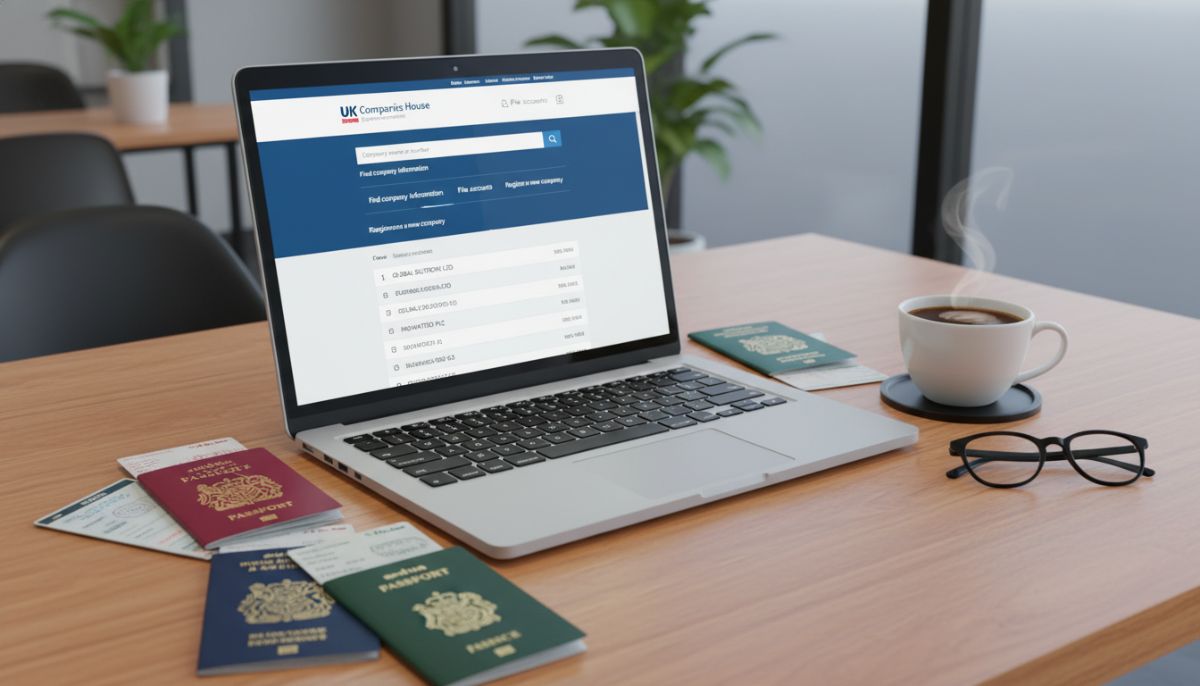
You can register your company online, which is the fastest and most cost-effective method. The registration fee is relatively low (£50 for online applications as of mid-2024), and the company is usually incorporated within 24 hours. You will receive a Certificate of Incorporation, which serves as legal proof of the company’s existence.
Navigating Taxation and Financial Compliance
Opening the company is only the first step. Operating as a foreigner requires a clear understanding of UK tax obligations:
- Corporation Tax: All limited companies must pay Corporation Tax on their profits. You must register for this with HM Revenue and Customs (HMRC) within three months of starting to trade.
- Value Added Tax (VAT): If your annual turnover exceeds £90,000, you must register for VAT. You can also register voluntarily if your turnover is lower, which may be beneficial for reclaiming VAT on business expenses.
- Annual Filings: Every year, you must file a Confirmation Statement (to ensure company details are up to date) and annual accounts with Companies House, regardless of whether the company is active or dormant.
[IMAGE_PROMPT: A professional infographic showing a timeline of UK company formation steps, from naming the business to tax registration, with a clean and corporate blue and white aesthetic.]
Challenges: The Business Bank Account
For many non-residents, the most significant hurdle is not the incorporation itself, but opening a UK business bank account. Traditional ‘high street’ banks often require at least one director to be a UK resident for anti-money laundering (AML) and ‘Know Your Customer’ (KYC) purposes.
Solutions for Foreigners:
To overcome this, many international entrepreneurs turn to ‘Challenger Banks’ or ‘Electronic Money Institutions’ (EMIs) such as Tide, Revolut Business, or Wise. These platforms are often more flexible with non-resident directors and allow for remote identity verification. Having a UK business bank account is essential for processing local payments and managing UK tax liabilities.
Visa Considerations for Foreign Owners
It is important to distinguish between owning a UK company and working for one. You can own 100% of a UK company and be its director while living abroad without needing a visa. However, if you intend to move to the UK to manage the business, you will likely need a visa, such as the ‘Innovator Founder Visa’ or a ‘Skilled Worker Visa’ if the company is eligible to act as a sponsor. Simply owning a company does not automatically grant residency rights.
Conclusion
Forming a Limited Company in the UK as a foreigner is a streamlined and highly accessible process compared to many other jurisdictions. By securing a registered office address, complying with Companies House requirements, and leveraging digital banking solutions, you can establish a prestigious British corporate identity from anywhere in the world. However, maintaining compliance with HMRC and Companies House is a continuous responsibility that requires diligence. For complex structures, seeking advice from a UK-based accountant or legal professional is always recommended to ensure long-term success.